


About CHRR
Established in 2012
The Centre for Human Rights Research at the University of Manitoba brings together researchers and communities committed to intersectional research, scholarship, training, and programming on human rights and social justice issues.
Current Research Themes
The Centre for Human Rights Research leads and supports interdisciplinary research on broad human rights research themes.
The CHRR prioritizes research themes based in part on the human rights context in which we live, as well as the changing composition and interests of CHRR’s Research Affiliates.
-
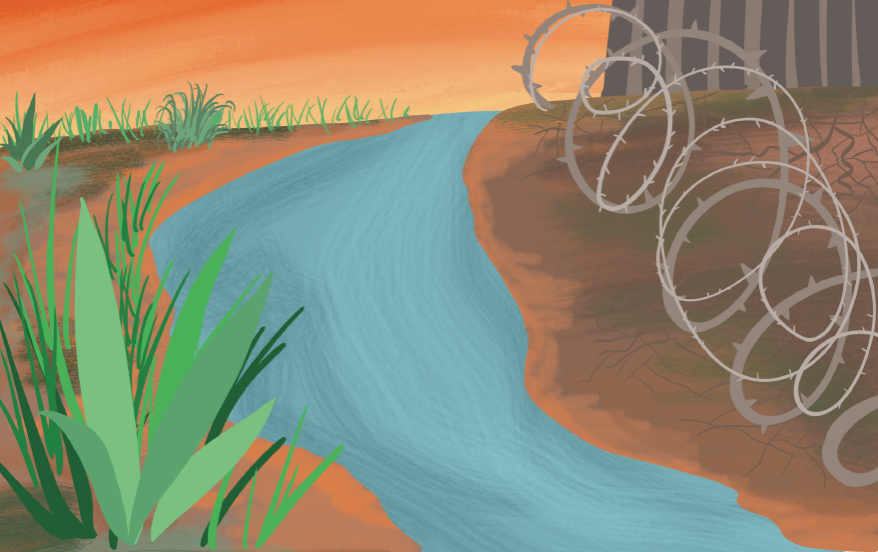
Borders & Human Rights
FIND OUT MORE -

The ‘Good Life’
FIND OUT MORE -

Reproductive and Bodily Justice
FIND OUT MORE -

Indigenous Peoples and Human Rights
FIND OUT MORE

Feature Research Project
At The Forks
A meeting place for conversation and information about the intersection between Indigenous rights and human rights, with a focus on the prairies and its neighbours. Supported by the Centre for Human Rights Research, Mamawipawin, and the Social Sciences and Humanities Research Council (SSHRC).
Latest Resource

Wrongful Convictions and Systemic Racism: A Resource Guide
November 16, 2023
From Our Blog

Open Letter Calling for a Ceasefire in Gaza
The Centre for Human Rights Research, along with other leading pan-Canadian labour, faith, Arab, Jewish and civil society organizations, has signed an open letter calling for a ceasefire in Gaza. As representatives of leading pan-Canadian…

Call for Proposals for Small Grants Program
The Centre for Human Rights Research (CHRR) invites proposals for its Small Grants program from University of Manitoba faculty members who want to explore new collaborative and interdisciplinary research projects. CHRR’s Small Grants program may be able…
Support Us
Support what matters to you. Whether you are passionate about interdisciplinary human rights research, social justice programming, or student training and mentorship, the University of Manitoba offers opportunities to support the opportunities most important to you.