-
FOLLOW US




March 05, 2026
Gender-Based Violence and Displacement: The Human Cost of War, Colonialism and the Climate Crisis
In honour of International Women’s Day, please join the Centre for Human Rights Research and Giganwenimaanaanig on Thursday, March 5th for a panel discussion titled “Gender-Based Violence and Displacement: The Human Cost of War, Colonialism, and the Climate Crisis.” This discussion will explore gender-based violence in the context of conflict, structural violence, and displacement, and the ways in which love — for the lands, waters, and for all our relations — can sustain us.
The event will take place in the Learning Steps of the Winnipeg Art Gallery – Qaumajuq.
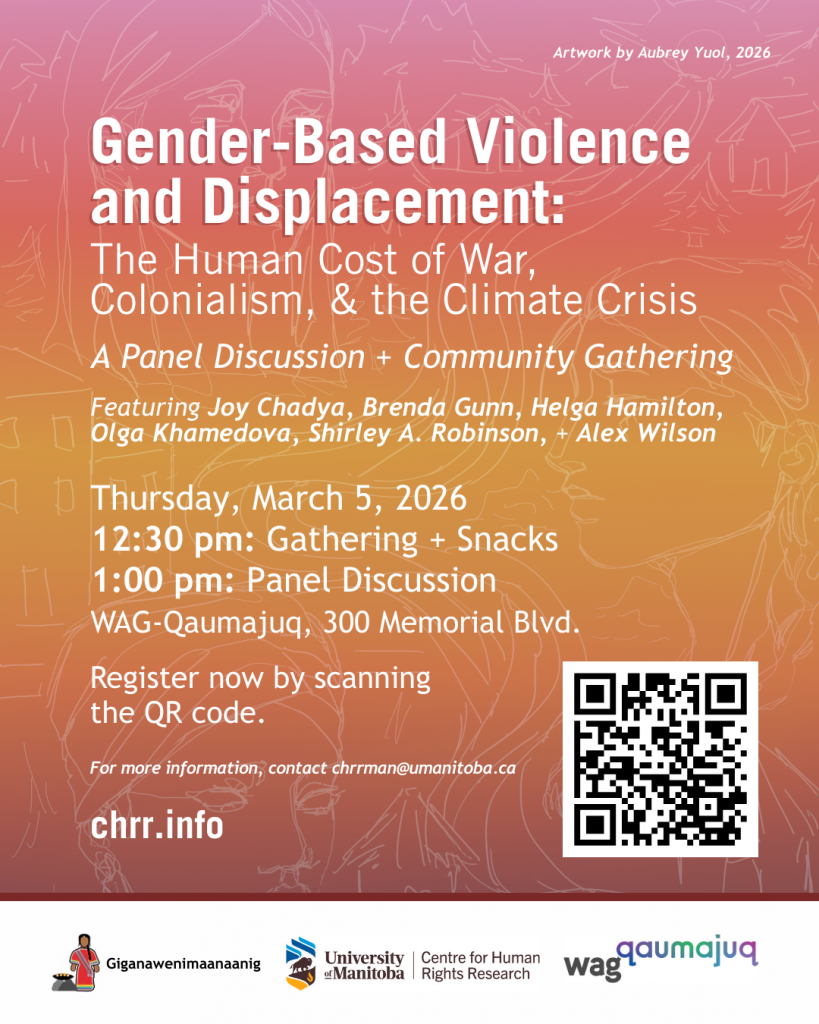
Doors will open at 12:30pm with light snacks and refreshments in Ilavut — the Entrance Hall. This will be followed by the panel discussion in Ilipvik (the Learning Steps) beginning at 1:00pm.
We are grateful to Aubrey Yuol for their artwork for the poster.
To ensure we have enough food and space, registration is required. Register now via Eventbrite.

Giganwenimaanaanig
About the Presenters
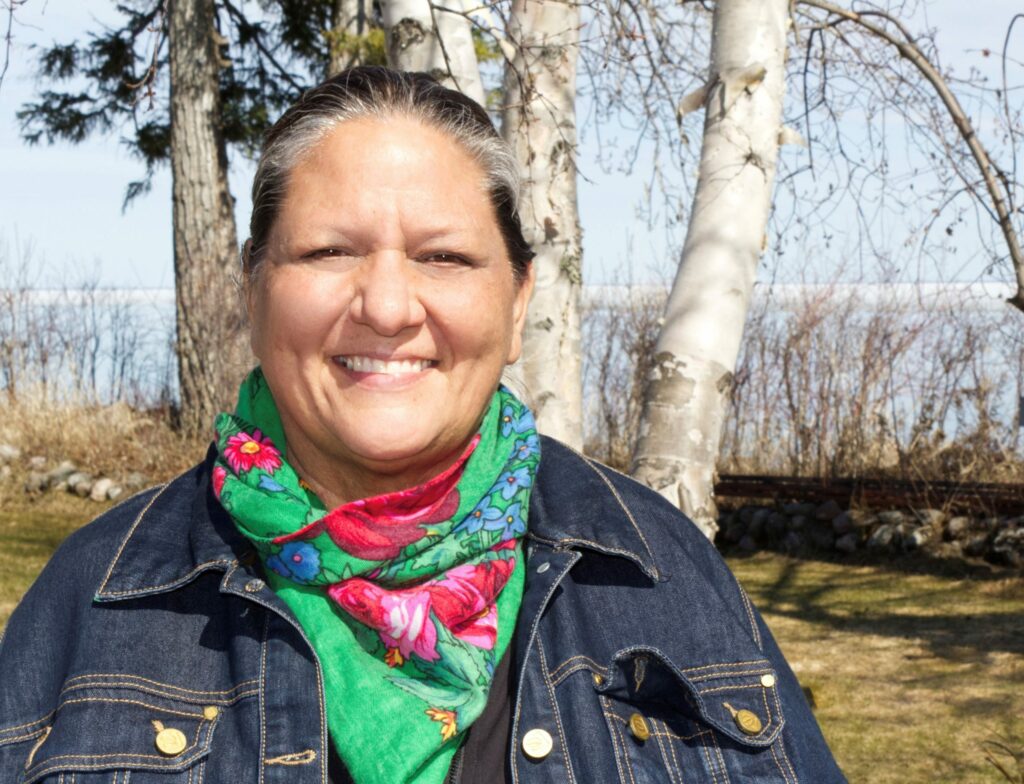
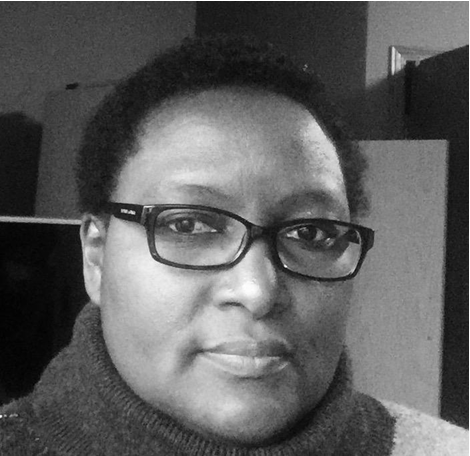
Joy Chadya is a twentieth century social historian whose interests are on Africa in general, but Southern Africa in particular. She is interested in transnational histories of liberation struggles, cross-border migration of labor in the Southern African region; women and urbanization; Zimbabwean the shifting practices in the Zimbabwean deathscape since the inception of colonial rule and African diaspora.
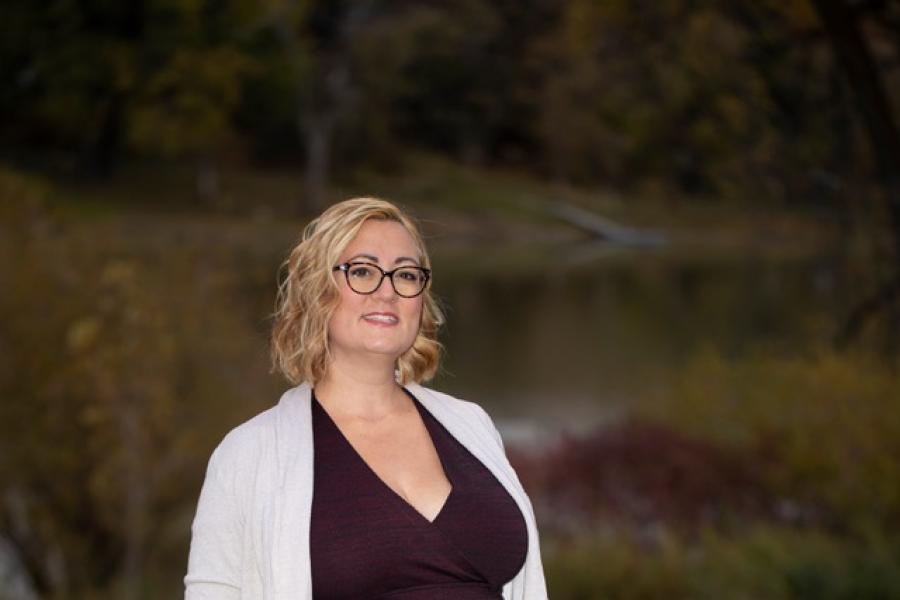
Brenda L. Gunn is a Professor in Robson Hall Faculty of Law. She has a B.A. from the University of Manitoba and a J.D. from the University of Toronto. She completed her LL.M. in Indigenous Peoples Law & Policy at the University of Arizona. She articled with Sierra Legal Defence Fund (now Ecojustice Canada). She was called to the bars of Law Society of Upper Canada and Manitoba. Brenda also worked at a community legal clinic in Rabinal, Guatemala on a case of genocide submitted to the Inter-American Commission of Human Rights. She has also worked with First Nations on Aboriginal and treaty rights issues in Manitoba. As a proud Red River Métis woman and citizen of Manitoba Métis Federation, she continues to combine her academic research with her activism pushing for greater recognition of Indigenous peoples’ inherent rights as determined by Indigenous peoples’ own legal traditions. Her current research focuses on promoting greater conformity between international law on the rights of Indigenous peoples and domestic law. She continues to be actively involved in the international Indigenous peoples’ movement, regularly attending international meetings. She developed a handbook on understanding and implementing the UN Declaration on the Rights of Indigenous Peoples that continues to be a main resource in Canada on the UN Declaration and has delivered workshops on the Declaration across Canada and internationally. In 2013, she participated in the UNITAR Training Programme to Enhance the Conflict Prevention and Peacemaking Capacities of Indigenous Peoples’ Representatives, which continues to impact her research.
Professor Gunn is the Expert Member of the United Nations Permanent Forum on Indigenous Issues, 2026-28.
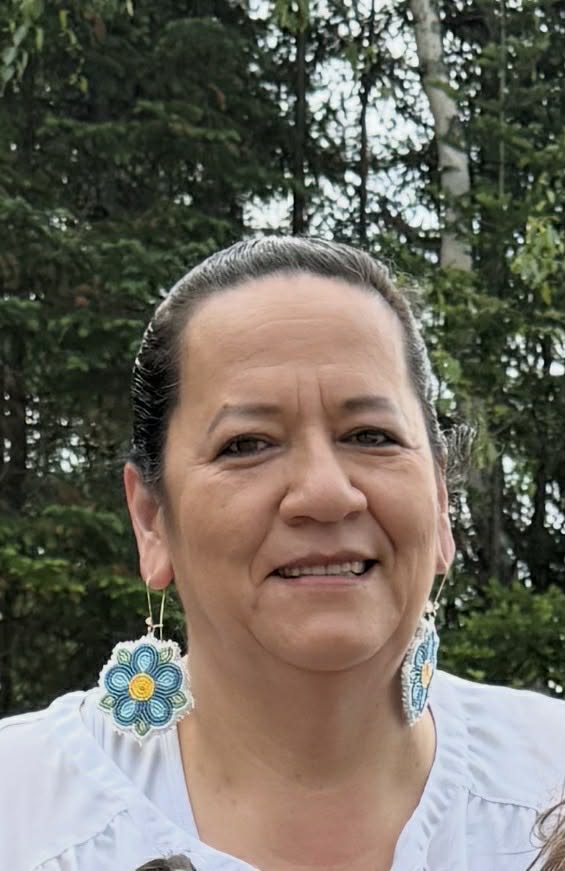
Helga Hamilton is the Health Director for Cross Lake Health Services, where she provides the delivery of comprehensive, community centered health programs. With experience in health administration, emergency management, and intergovernmental collaboration, she works alongside Chief and Council, and regional and federal partners to strengthen access, continuity, and culturally respectful health care.
Helga played an integral role in coordinating and supporting health services throughout the COVID-19 pandemic and has been a key member of the Emergency Management Team during the wildfire evacuations of 2023 and 2025. She is currently involved in community evacuation efforts related to the December power outage, assisting with coordination alongside the Red Cross, Chief and Council, and emergency response partners. Helga is a strong advocate for community driven solutions and sustainable health systems that meet the evolving needs of Cross Lake and its members.
Helga’s grandchildren are her primary source of motivation and inspiration in all that she does. She is deeply committed to helping create a better future for them and for the generations to come, with a strong focus on ensuring they grow up grounded in their cultural identity and spiritual way of life. Helga believes that teaching and preserving these values provides a foundation that will guide them throughout their lives.
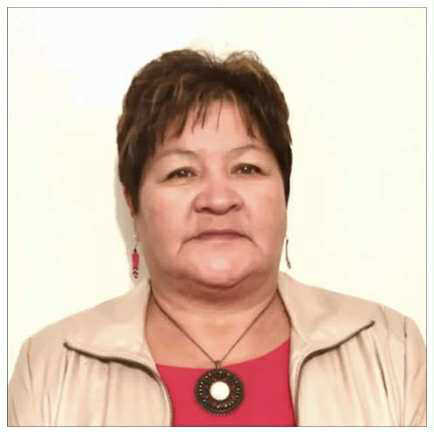
Olga Khamedova is a feminist media scholar from Ukraine who has been researching media coverage (news reports and crime reporting) of violence against women, including harassment, rape, and murder, for several years. In 2022, she arrived in Canada due to the Russian–Ukrainian war and worked as a Visiting Scholar in the Department of Women’s and Gender Studies | German and Slavic Studies at the University of Manitoba. She is the author of the book Gender Display in the Ukrainian Press of the 1920s–1930s: Representations and Interpretations, in which she analyzes some of the earliest crime news reports on violence against women, examining them in the context of postcolonial discourse and trauma. She currently teaches the course Ukrainian Feminism, Media, and Popular Culture at the University of Manitoba.

Check back soon to learn more!
Shirley A. Robinson is a dedicated Indigenous leader from Pimicikamak, a Cree community in Northern Manitoba with a population of 10,000 people, both on and off reserve. With extensive experience in local governance, Shirley has served multiple terms as an Executive Council Member for Pimicikamak, including holding leadership positions such as Acting Chief and Vice Chief. Her commitment to her community is evident through her tireless advocacy, crisis response efforts, and negotiations with provincial and federal governments.
Shirley has been a prominent voice in addressing critical issues affecting her community, including social health, infrastructure disparities, and Indigenous rights. She has played a pivotal role in responding to Emergency Crisis in Pimicikamak including seeking immediate supports from government authorities to provide services, resources, and other urgent needs. Her leadership during crisis highlights her unwavering dedication to the well-being of her people, and her advocacy have solidified her reputation as a trusted and impactful leader in Northern Manitoba.
In addition to her crisis response efforts, Shirley has been an advocate for addressing the historical and ongoing impacts of development on Pimicikamak. She continues to speak out on behalf of her community, ensuring their voices are heard and their needs are prioritized.
Her expertise in emergency management extends beyond crisis response, as she continues to advocate for long-term solutions to systemic issues such as mental health, healthcare access, and infrastructure disparities. Shirley’s ability to navigate complex negotiations with government authorities has been instrumental in securing resources and support for Pimicikamak during times of critical need.
As a mother and grandmother to six grandchildren, Shirley remains deeply connected to her community and its future. Her leadership and advocacy have made her a respected and influential figure, committed to creating positive change and addressing the urgent challenges facing Pimicikamak.
Dr. Alex Wilson (Opaskwayak Cree Nation) is an acclaimed educator, scholar, and researcher. She is a professor in the Department of Educational Foundations in the College of Education at the University of Saskatchewan. Dr. Wilson’s work has greatly contributed to building and sharing knowledge about Two-Spirit identity, history, and teachings; Indigenous research methodologies; and the prevention of violence in the lives of Indigenous peoples. Her work in and with Indigenous communities has focused on revitalizing culture through land based education.