-
FOLLOW US




November 12, 2026
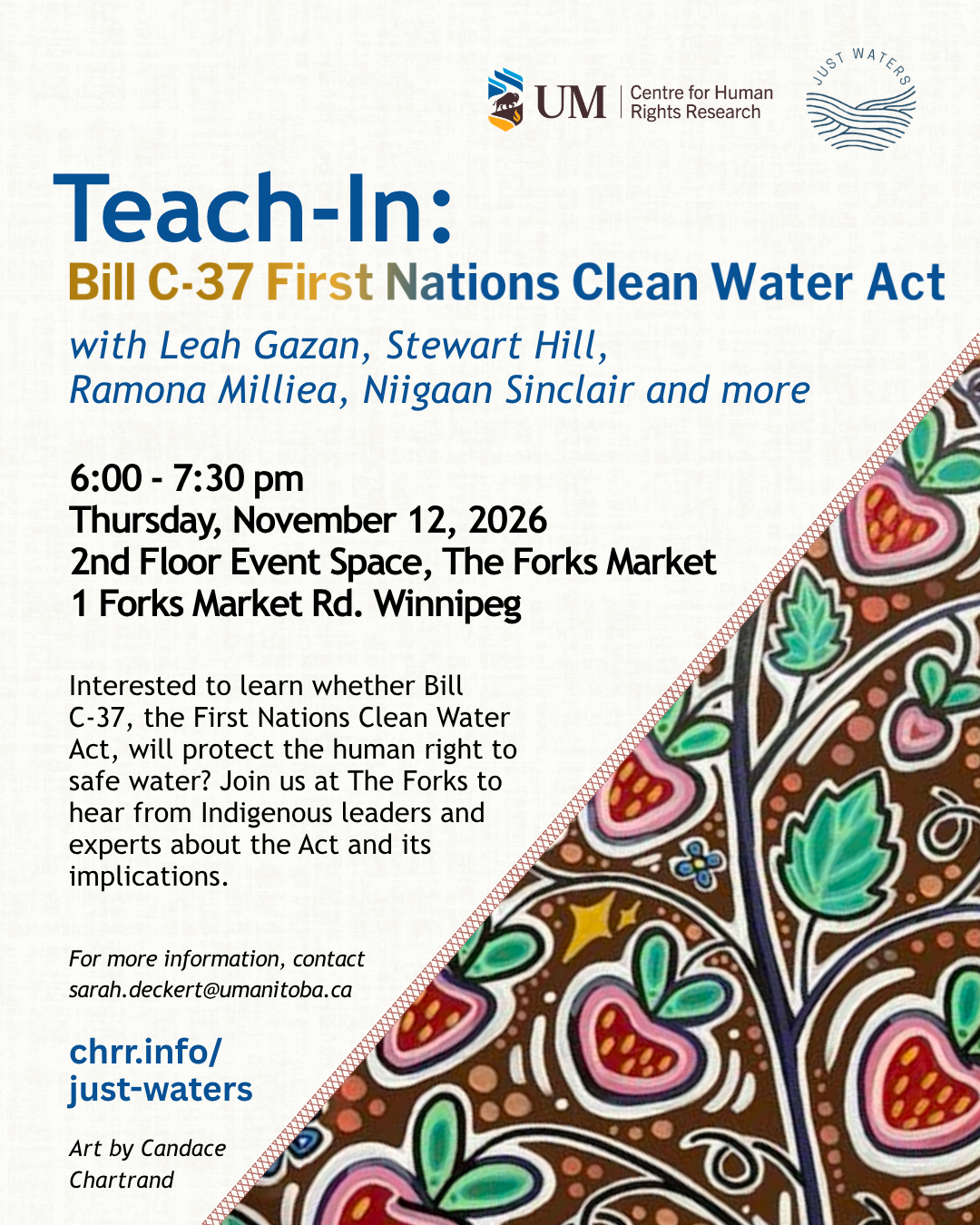
Teach-In: Bill C-37 First Nations Clean Water Act
Interested to learn whether Bill C-37, the First Nations Clean Water Act, will protect the human right to safe water?
On Thursday, November 12 at 6:00 pm we’ll hear from Leah Gazan, Stewart Hill, Ramona Milliea, and Niigaan Sinclair on the Act and its implications. Join us at The Forks for an evening of lively discussion.
No registration required. The event will take place in the 2nd Floor Event Space in The Forks Market, with snacks provided by Feast Cafe Bistro. If you have any questions, please reach out to sarah.deckert@umanitoba.ca.
Meet the Speakers
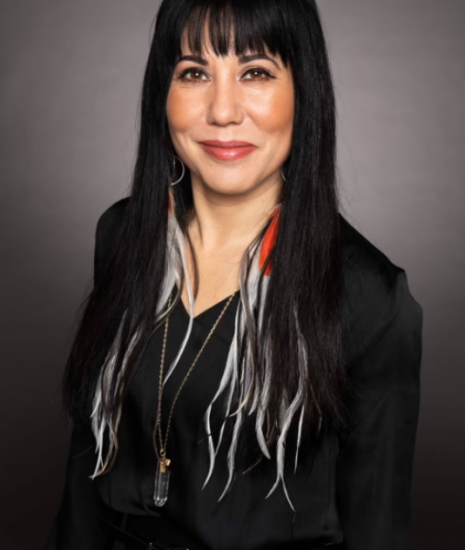
Leah Gazan has been the NDP Member of Parliament for Winnipeg Centre since 2019. She is the NDP critic for children, families, and social development, as well as the critic for women and gender equality and deputy critic for housing. Gazan is a member of Wood Mountain Lakota Nation, located in Saskatchewan, Treaty 4 territory. Prior to being elected to parliament, Gazan was a prominent leader during Idle No More, articulating the movement to the Winnipeg public. Gazan also co-founded the #WeCare campaign aimed at building public will to end violence against Indigenous women and girls.
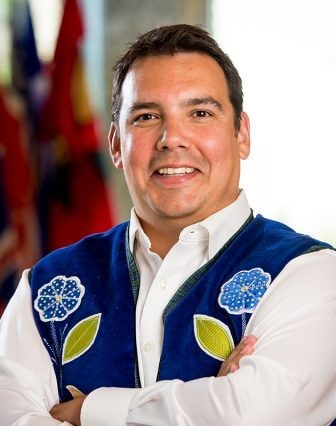
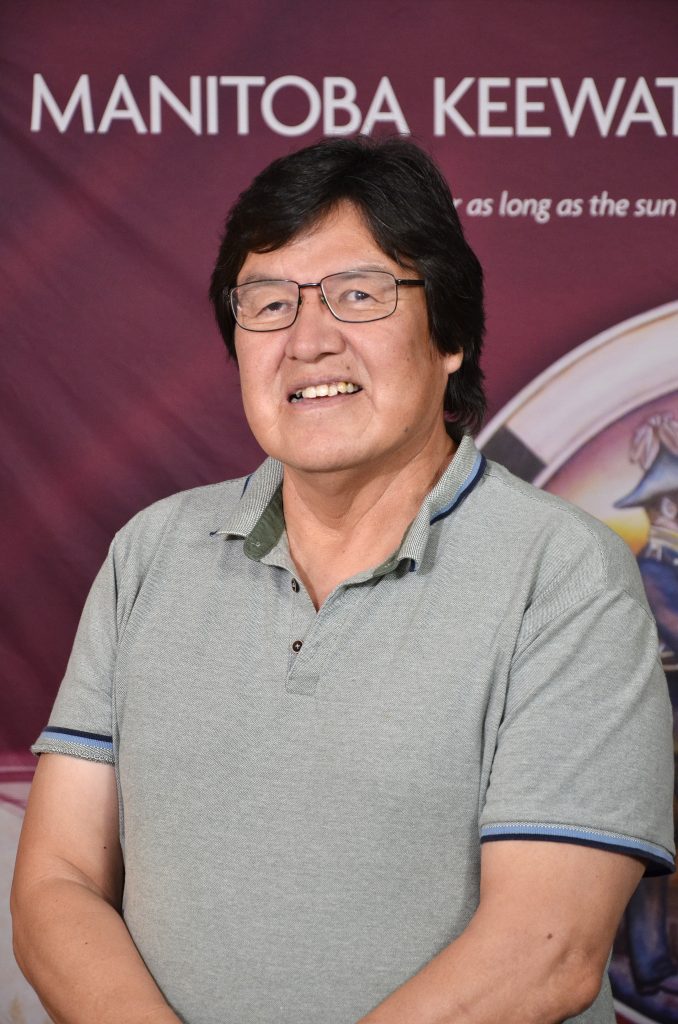
Dr. Stewart Hill received a doctorate from the Natural Resources Institute of the University of Manitoba in 2021, a Doctor of Philosophy degree in natural resources and environmental management and also holds a Master’s degree in natural resources management from the same institution and a Bachelor of Science in environmental science from Brandon University. Prior to entering post-Doctorate studies at the UM NRI, Stewart worked as a Senior Research and Policy Analyst for the Manitoba Keewatinowi Okimakanak (MKO), the Manitoba northern Chiefs organization for over five years.
Dr. Hill is from the God’s Lake First Nation and was born and raised in northern Manitoba at God’s Lake and speaks his Cree language fluently. His PhD thesis researched and asserted Indigenous governance over land and water in the traditional territory of his home community of God’s Lake First Nation and this assertion has implications for all First Nations using Indigenous methodologies.
Dr. Hill has over thirty-five (35) years experience providing research, writing, technical and analytical services for First Nations, government, academia and non-governmental organizations in the field of natural resources, environmental and lands management. His area of special interest is traditional knowledge or Indigenous Science that he has studied and worked with for the entire breadth of his career. His culture and identity provide the guiding philosophies in his work.
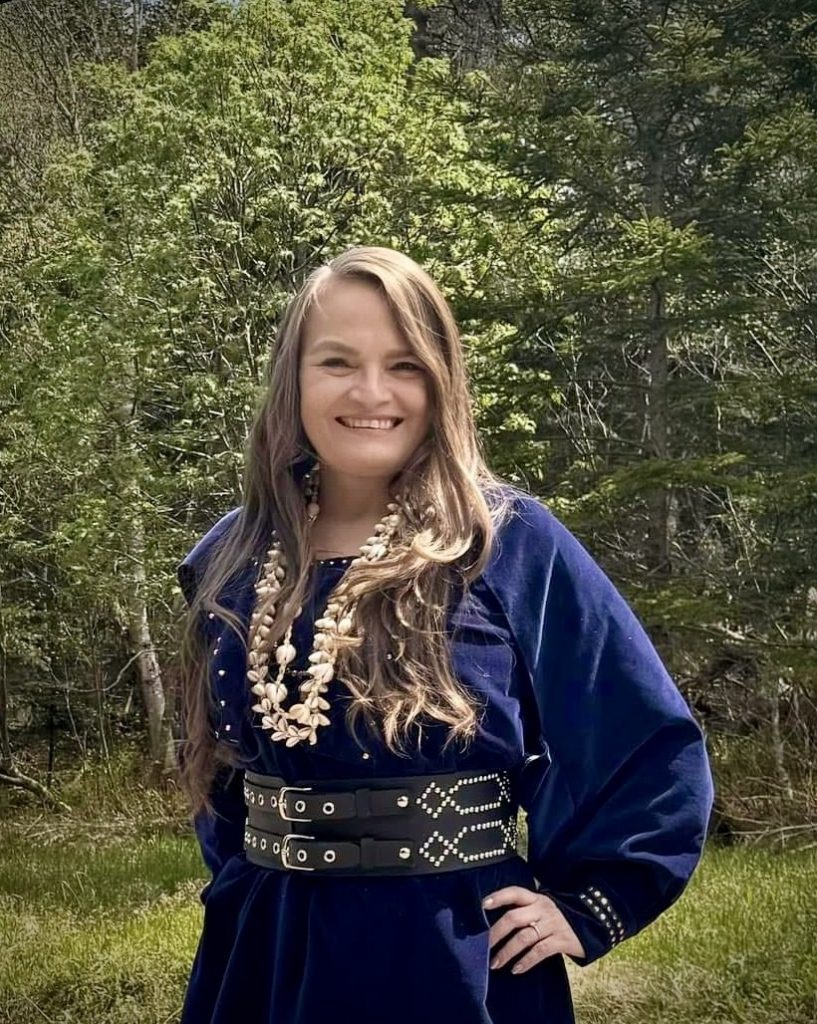
Ramona has two traditional names, Miskoginewawaashiik and Waabishki Mikinak Iskwew. She is third degree Midewiwin and is from the Migizi (Bald Eagle) Clan. Ramona is Anishinaabe, Cree, and Nakoda from the Peguis First Nation within Treaty 1 territory. She has spent most of her career working in roles that protect and uphold the Treaty and Aboriginal Rights of Indigenous peoples, particularly in the development and implementation of policies and programs related to natural resource management and to wholistic healing. Ramona is dedicated to learning and working with traditional medicines, attending ceremonies, and travelling to and dancing at powwows.
Niigaan Sinclair is Anishinaabe (St. Peter’s/Little Peguis) and a professor at the University of Manitoba where he holds the Faculty of Arts Professorship in Indigenous Knowledge and Aesthetics in the Department of Indigenous Studies. Niigaan is also an award-winning writer, editor, and activist who was named to the “Power List” in 2022 by Maclean’s magazine as one of the most influential individuals in Canada.