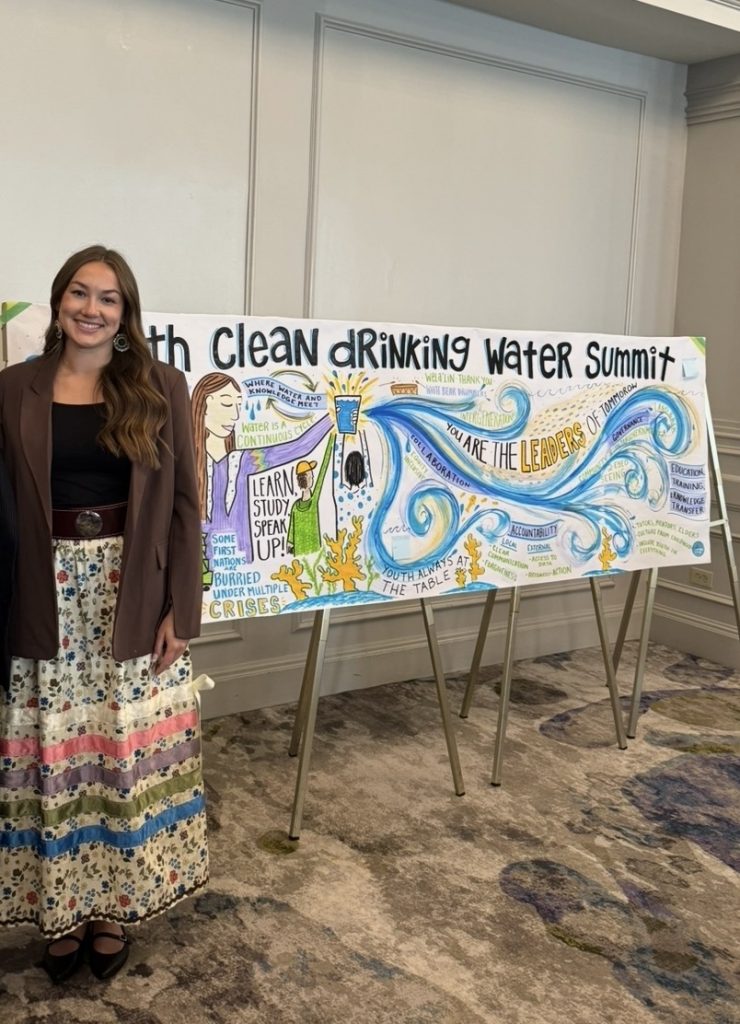
Just Waters Fellowship
This fellowship is designed to support Canadian Indigenous and racialized graduate students pursuing master’s or doctoral programs at the University of Manitoba. Their degree program has a research component with a focus on issues of water and justice. Topics could include but are not limited to water quality in Indigenous communities, impacts of hydro development, Indigenous water governance and climate justice.
Recipients must be self-declared as a First Nations, Métis or Inuit person from Canada or identify as racialized, have achieved a minimum grade point average of 3.0 in the last 60 credit hours of studies, and be in good standing with the Faculty of Graduate Studies. They must be a full-time UM student registered in the 2026-2027 academic year.
Just Waters received applications from many inspiring students who are engaged in research that advances water justice. Six students were selected for the Fellowship and were granted $7,500 along with the opportunity to take part in a research symposium in Winter 2027.
Meet the Recipients
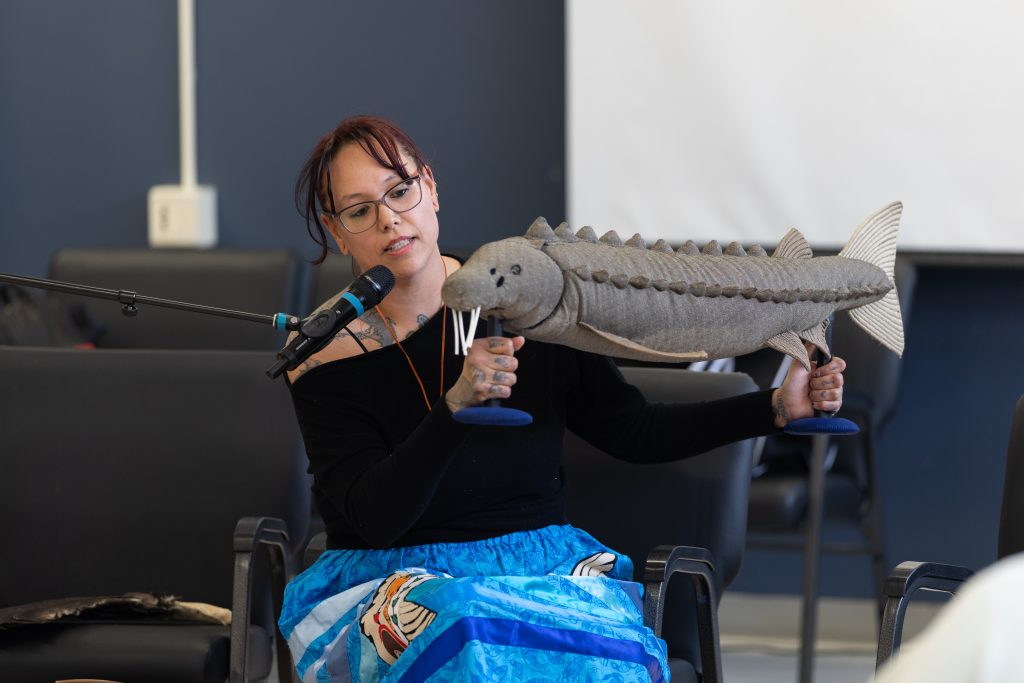
Taylor Galvin Ozaawi Mashkode-Bizhiki (Brown Buffalo) is a proud Anishinaabe woman from Brokenhead Ojibway Nation and a member of the Sturgeon Clan. She is a graduate student at the University of Manitoba, where her doctoral thesis explores Lake Sturgeon conservation through Indigenous science, oral storytelling, and community-based knowledge. She is also one of the lead plaintiffs and knowledge keepers in the Lake Winnipeg personhood case, advancing Indigenous water governance on the legal stage.
Taylor’s doctoral research is led by ceremony as she walks with Elders and Knowledge Keepers to reawaken traditional Namay/Namao/Sturgeon stories, from fishing practices and teachings to the ways hydroelectric development, commercial fishing, and other colonial industries have altered this ancient relative, the waters, and First Nations relationships to them. By placing Indigenous science at the forefront of sturgeon conservation, this approach challenges a field long dominated by Western methodologies. It centers the stories, oral histories, songs, ceremonies, teachings, and the responsibilities First Nations hold for this relative.
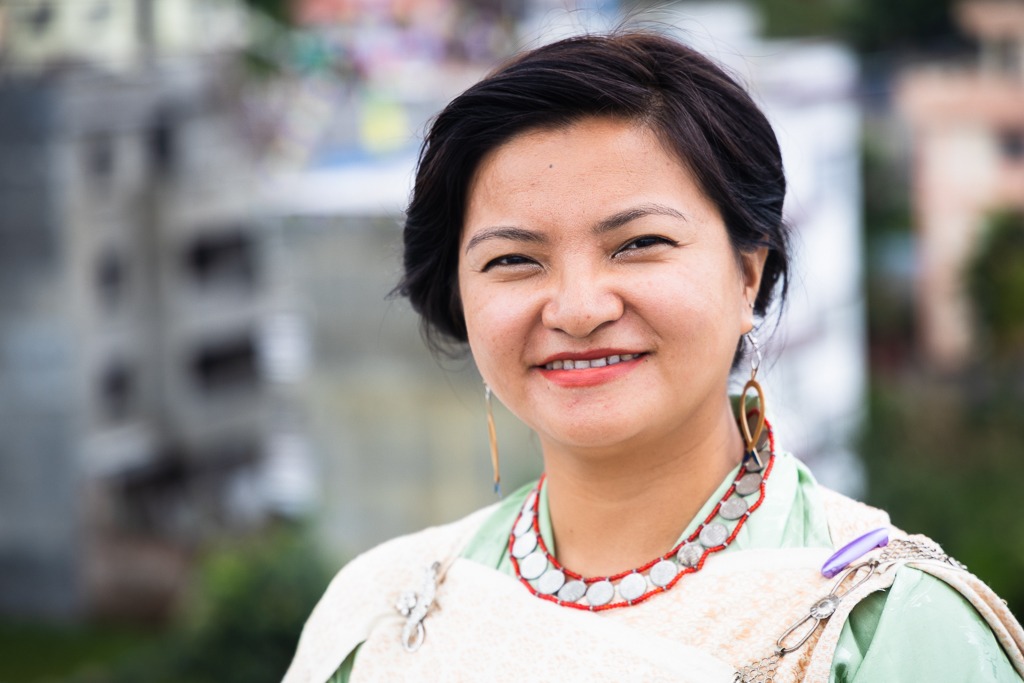
Minket Lepcha is an Indigenous Lepcha woman from a Himalayan region of Darjeeling, India, currently pursuing her PhD in Environment and Geography at the University of Manitoba.
Her research explores how Nêhiyaw (Cree) in Canada and Mutanchi (Lepcha) communities in Himalayan part of India understand, experience, and respond to the impacts of hydropower through their Indigenous knowledge systems, stories, languages, and relationships with land and water.
Through braiding Indigenous knowledge systems, her work brings these distinct Indigenous worldviews from two continents into conversation, honouring their unique cultural contexts while exploring shared understandings of water, relational responsibilities, and resistance to hydro developments.
Bio coming soon!
Julius Odei is a PhD candidate in the Department of Environment and Geography at the University of Manitoba, supervised by Dr. Nicole Wilson. His research examines the water risks and governance of carbon capture and storage (CCS) in Canada, using hydrosocial theory, political ecology, science and technology studies, and just transition frameworks. He holds a Master of Environment from the University of Manitoba, where his thesis focused on water quality governance and nutrient pollution in Lake Winnipeg. He also has a BA in Geography and Rural Development from KNUST in Ghana.
Julius writes, “My research asks how carbon capture and storage, promoted as a pathway to net zero, reshapes water risks, rights, and governance in Canada, with Alberta’s Pathways CCS hub as the main case. Drawing on hydrosocial theory and just transition scholarship, I examine who carries CCS’s water-related burdens and how Indigenous nations and other communities are positioned in decisions about subsurface carbon storage.”

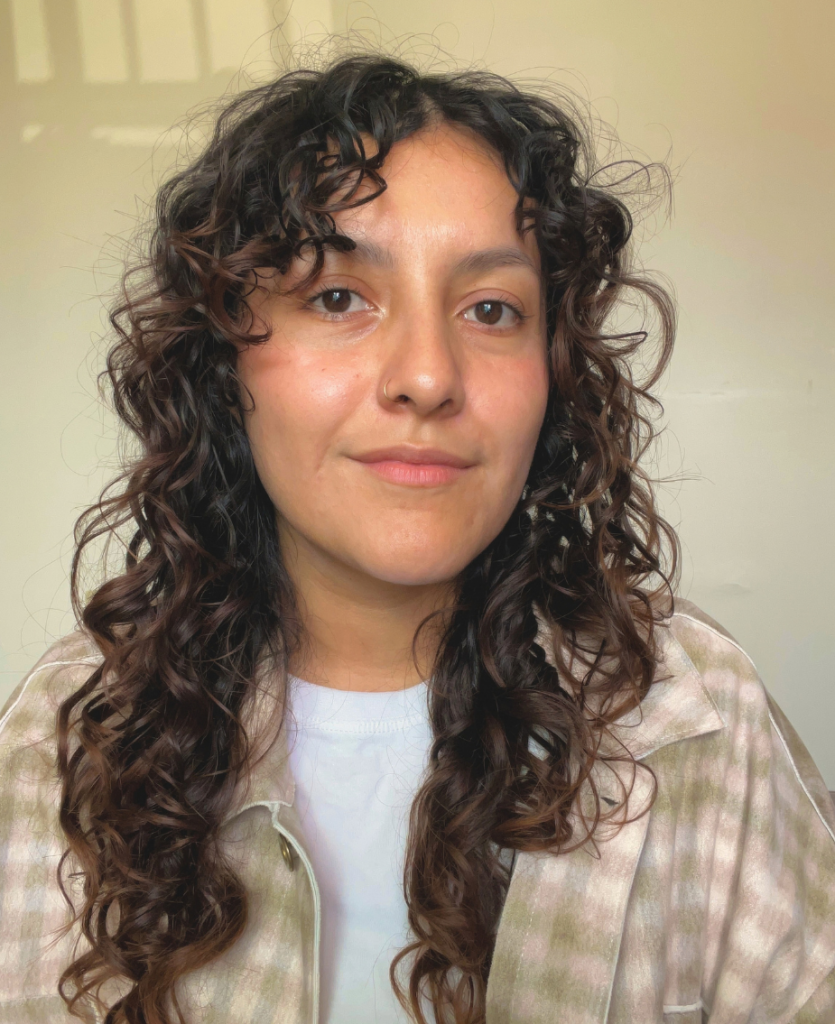
Alejandra is a Colombian sociologist and researcher born and raised in Bacatá, Colombia. Currently pursuing a Master’s in Environment and Geography at the University of Manitoba, her research interests center on freshwater, relationality, environmental justice, community-based approaches and creative methodologies.
Alejandra’s research explores community-led practices of care for Nibi in Baawating (Sault Ste. Marie, ON), examining arts as a vital practice to cultivate other ways to think and enact radical relationality in individual and community transformation.
She also inquired about the role of the visitor-settler-newcomer in supporting those water initiatives, dialoguing with Anishinaabe relationality frameworks and Latin American perspectives of local change and care, to bridge her own background and the knowledge and ways of knowing from the Great Lakes region.
Erin is an Anishinaabe-Irish ikwe from St. Andrews, Manitoba and a proud member of Peguis First Nation. She is completing her Ph.D. in Clinical Psychology at the University of Manitoba under the supervision of Dr. Katherine Starzyk.
Her doctoral research, “Educating for Change: Increasing Support for First Nations Water Rights,” will address one of Canada’s most pressing human rights and social justice issues: the lack of access to clean and safe drinking water in First Nations.
Erin says, “For my dissertation, I am examining how brief educational interventions may increase public support of First Nations water rights. With feedback from affected community members, such as my own, I will develop and test educational interventions that focus on the ongoing impacts of inadequate water access, the feasibility of government action, and access to clean water as a fundamental human right.”